
Hearing Aid Styles
Choosing the Best Hearing Aid for Your Ears
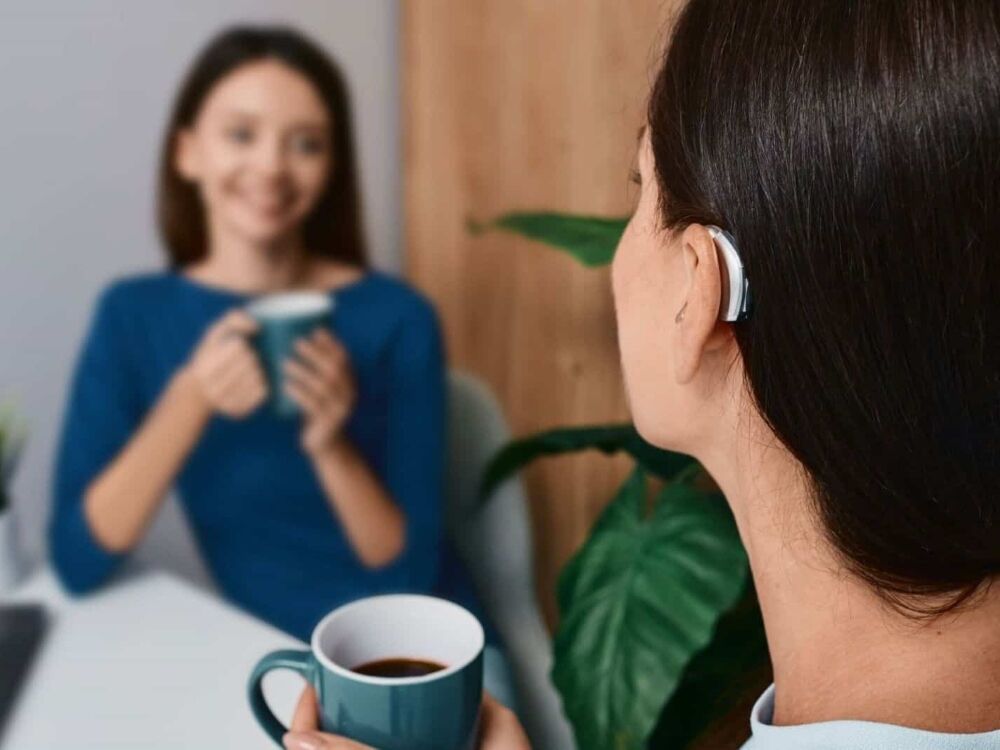
The best hearing aids are the ones you'll wear all day, so choosing among hearing aid styles in Apple Valley, CA comes down to more than looks. Every major manufacturer makes devices that sit behind the ear, fill the outer ear, or tuck inside the canal. We match the style to your hearing test, the shape of your ear canal, how easily you handle small parts, and how much you want the aids to show.
Which Style Fits Your Hearing Loss and Lifestyle
Each style trades off size, power, battery type, and features. At your hearing aid consultation, Dr. Kristi Mendoza, Au.D., explains which types of hearing aids your hearing loss and ear shape allow, and what you gain or give up with each.
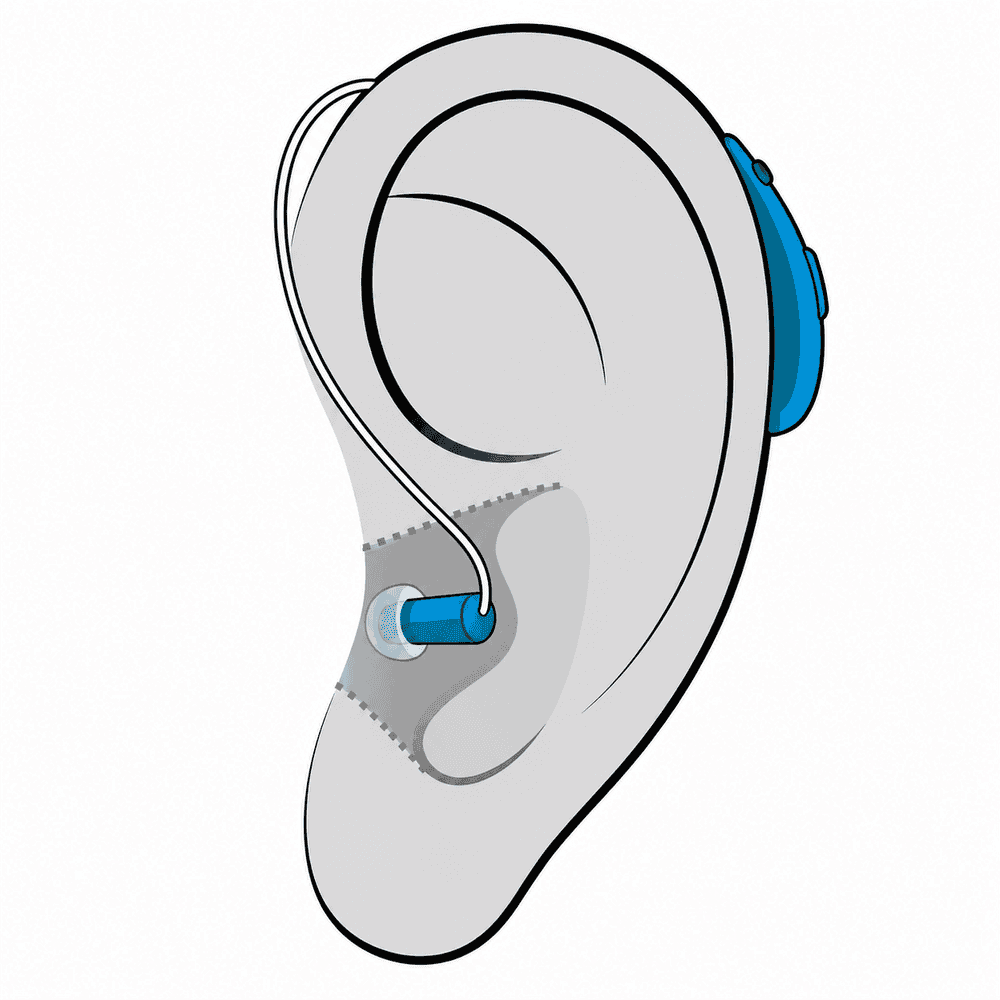
Receiver-in-Canal (RIC)
The most popular style today, sometimes called RITE. A small case sits behind the ear and connects by a thin wire to a speaker in the ear canal. Receiver-in-canal hearing aids are light, hard to spot, and widely available in rechargeable and Bluetooth versions that stream phone calls and TV audio. Most are fit open, with a soft dome that leaves the canal partly open so your own voice sounds natural. They suit mild to severe hearing loss.
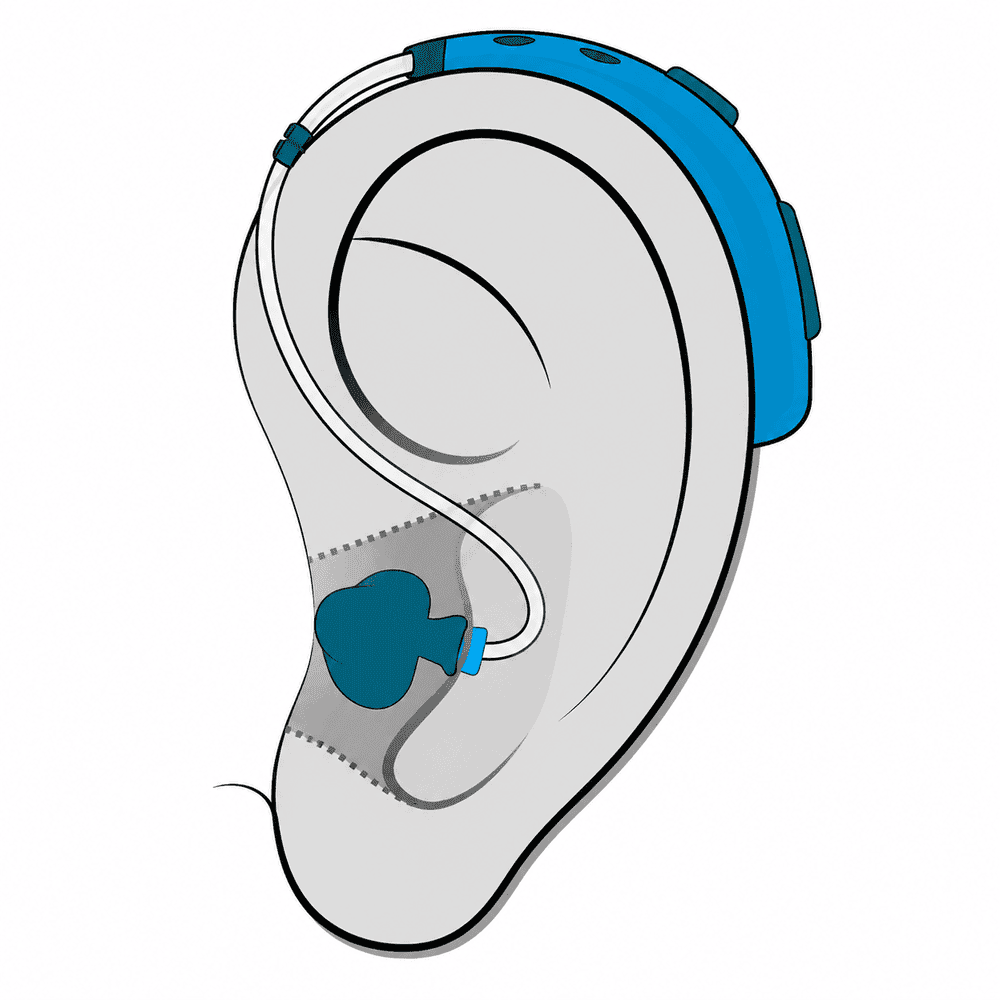
Behind-the-Ear (BTE)
The most powerful style. The case rests behind the ear and sends sound through a tube to a dome or custom earmold. Behind-the-ear hearing aids hold larger batteries, deliver the most amplification, and are easy to handle. They're a strong choice for severe to profound hearing loss and for anyone who wants a sturdy device that's simple to clean. Slim-tube, open-fit BTE models are also available for milder hearing loss.
In-the-Ear (ITE)
Custom-made from an impression of your ear, in-the-ear hearing aids come in full-shell (filling the bowl of the outer ear) and half-shell (filling the lower half) versions. The larger shell is easy to hold and insert, which helps if arthritis or stiff fingers make small parts frustrating. They suit mild to severe hearing loss and can include volume controls, directional microphones, Bluetooth, and rechargeable options.
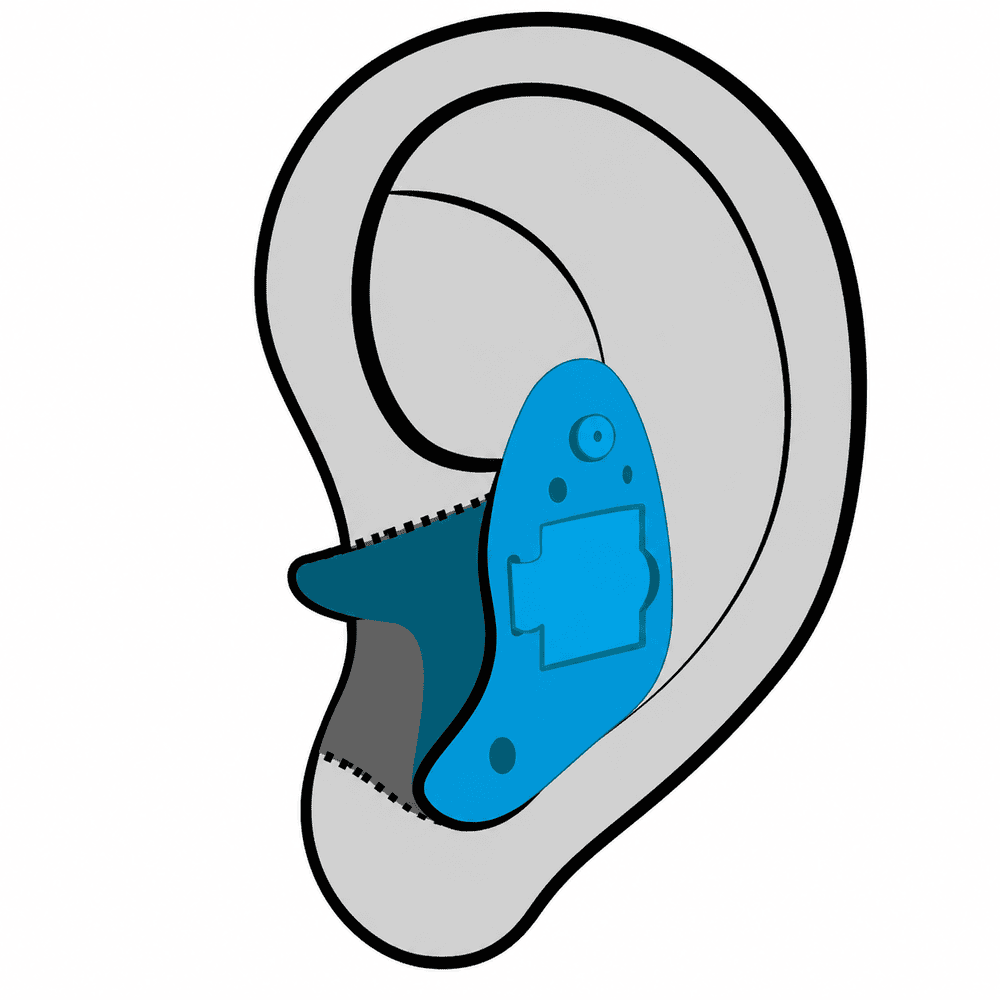
In-the-Canal (ITC)
Custom-fit to sit partly inside the ear canal, ITC hearing aids are smaller and less visible than ITE models but still have room for directional microphones and some wireless features. Patients with mild to moderate hearing loss often choose them when they want a low-profile device with simple controls.
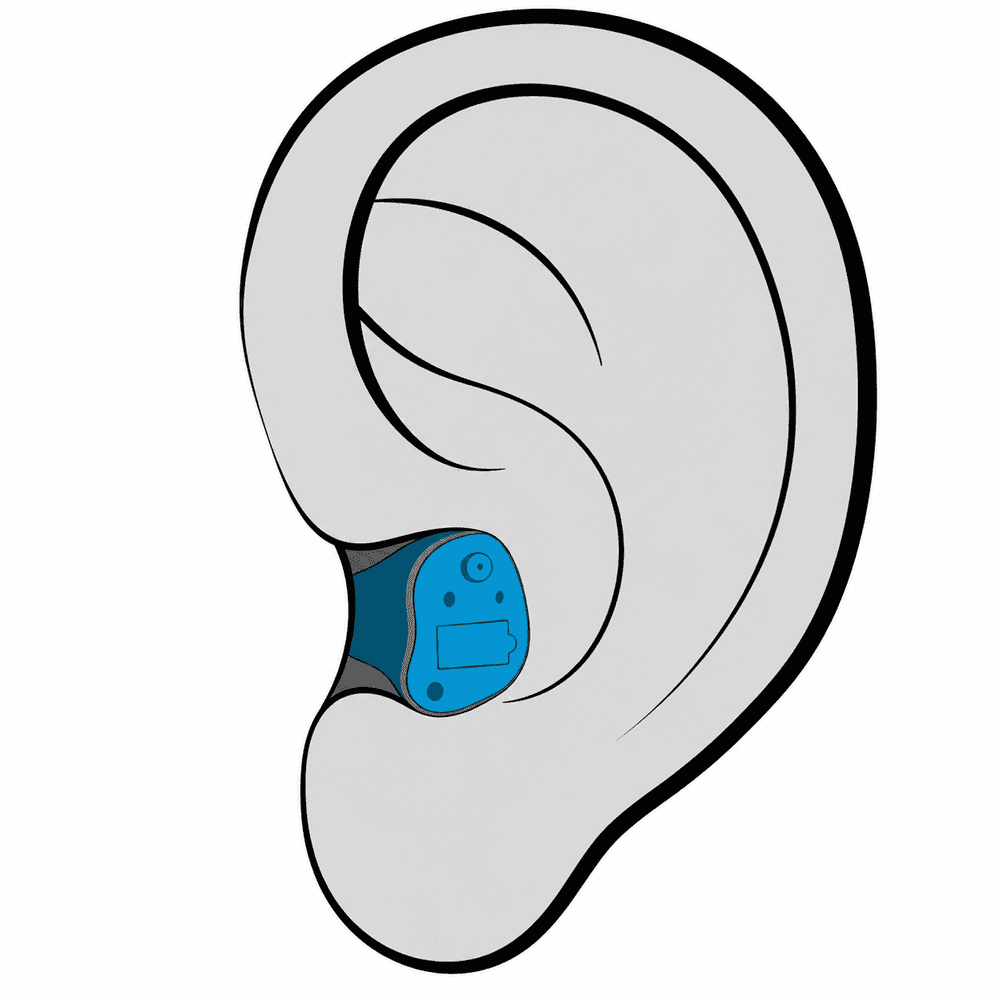
Completely-in-Canal (CIC)
Completely-in-canal hearing aids fit entirely inside the ear canal, with only a tiny removal handle showing at the opening. They're a common choice for mild to moderate hearing loss when appearance matters most. The small size leaves less room for features, and most run on small disposable batteries that need changing every few days.
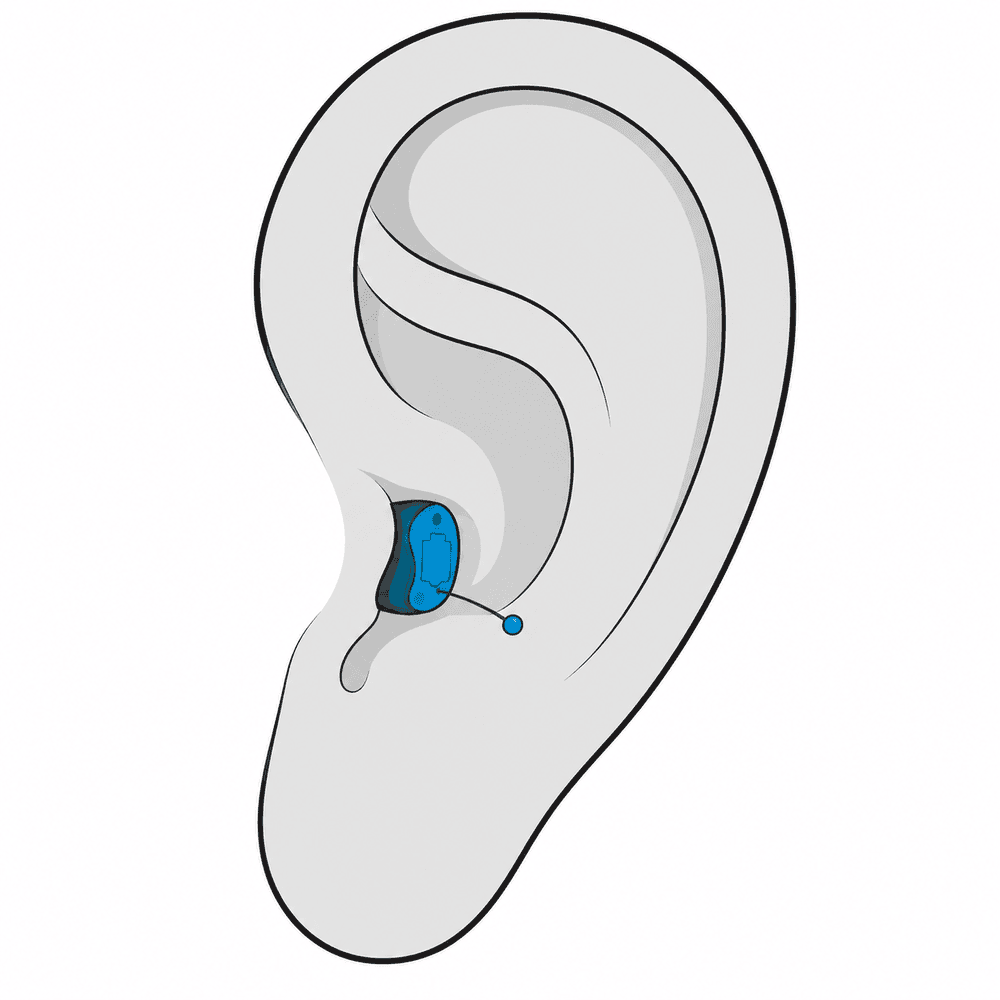
Invisible-in-Canal (IIC)
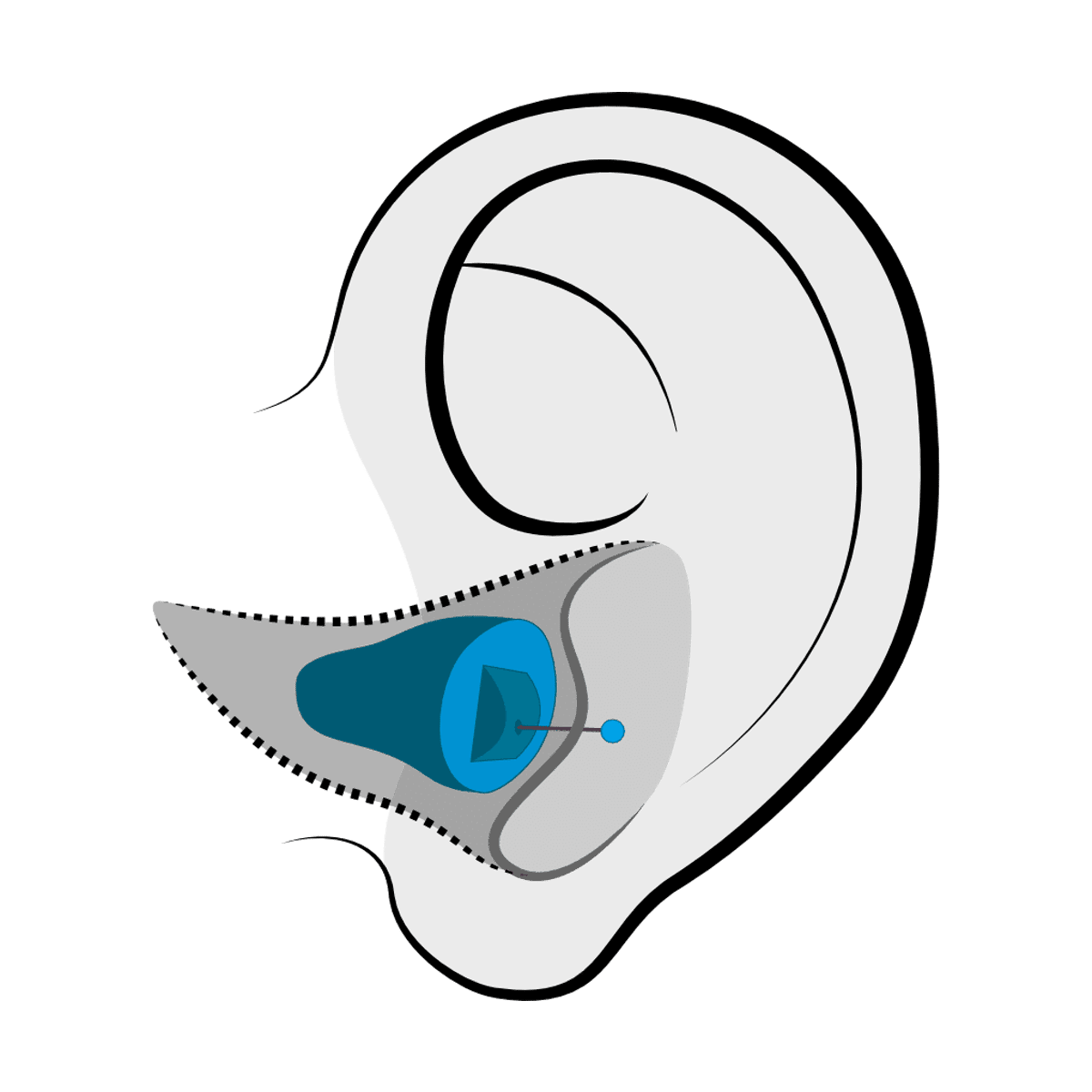
The smallest custom style. Invisible hearing aids sit deeper in the ear canal than a CIC, where others are unlikely to notice them, and come out with a small pull string. They suit mild to moderate hearing loss, but not every ear canal is large enough or shaped right for one. We check your ear canals during your evaluation before recommending this style.
Hearing Aid Styles FAQs
Common questions about hearing aid styles in Apple Valley: the most discreet options, which styles are rechargeable or Bluetooth, how long hearing aids last, and how to choose.
Completely-in-canal (CIC) and invisible-in-canal (IIC) hearing aids are the smallest styles. They sit inside the ear canal, and most people around you won't notice them. A slim receiver-in-canal aid is also hard to spot, since the small case behind the ear is often hidden by hair or glasses.
Tiny devices have limits, though. They suit mild to moderate hearing loss, use small batteries that need frequent changing, and leave less room for features like directional microphones and Bluetooth. They also need an ear canal with enough room. At your evaluation, Dr. Mendoza can tell you whether an invisible hearing aid will work for your ears or whether a discreet RIC is the better bet.
Receiver-in-canal and behind-the-ear models offer the widest choice of rechargeable and Bluetooth hearing aids, and many custom in-the-ear models have them too. Bluetooth lets you stream phone calls, music, and TV audio straight to your ears. The smallest in-canal styles usually run on disposable zinc-air batteries because there's no room for a rechargeable cell.
Rechargeable hearing aids make sense if tiny batteries are hard for your fingers or you'd rather drop the aids in a charger each night. Some patients still prefer disposables because a fresh battery takes seconds to swap on a long day. We'll go over which options your hearing loss allows. Call or text (760) 503-1700 to talk it through.
With good care, many hearing aids last about four to six years. Behind-the-ear models tend to hold up longest, while custom in-canal styles sit closer to moisture and earwax and may need repairs sooner. Manufacturer warranties typically cover two to three years.
Your daily routine makes a real difference. Wiping the aids down, changing wax guards, and storing them dry overnight all extend their life. Your annual check-up with Real Ear Measurement also helps, because it shows whether the aids still deliver what your hearing needs as it changes. When a device starts needing frequent repairs or no longer keeps up with your hearing, we'll talk honestly about whether repair or replacement makes more sense. Call or text (760) 503-1700 to schedule a check.
Style is a clinical decision as much as a personal one. Dr. Mendoza starts with your audiogram, the chart from your hearing test, because the degree of your hearing loss rules some styles in and others out. Then she looks at your ear canal shape, how easily you handle small parts, whether you want streaming or rechargeable batteries, and how much the devices can show.
She'll also be honest about trade-offs. A tiny aid may look appealing but struggle at a busy family dinner if your hearing needs more power. Because we work with all major manufacturers, the goal is simply a style you'll wear every day. Call or text (760) 503-1700 to set up a consultation.
Hearing Aids Tuned to Your Ears, Not a Factory
Hearing aids only help if they're set for your ears, not generic factory settings. That's why every new fitting at Optimum Audiology includes Real Ear Measurement, a quick test with a tiny microphone that confirms the sound reaching your eardrum matches your hearing loss. We check again at every annual visit, see you for follow-ups in the first month, and most purchases include a trial period so you can hear the difference at home.
Expert Hearing Care From the High Desert to Visalia
Dr. Kristi Mendoza, Au.D., has helped patients hear better since 1991, and every plan starts with a thorough hearing evaluation.
Serving Southern & Central California
Four Offices, One Number
Dr. Kristi Mendoza, Au.D., and her team see patients in Apple Valley, Jess Ranch, La Verne, and Visalia. Choose the office closest to you on the map.
- Call or text: (760) 503-1700
- info@optimumaudiology.com
- Doctor of Audiology since 1991
- Real Ear Measurement on every fitting
- VA Community Care & OWCP provider
Optimum Audiology is a great place to go to for my hearing aids. Friendly staff and very helpful. They take care of everything from insurance, to keeping your hearing aids properly working. Thanks for doing a great job for me Optimum Audiology.— Anthony A.
Select a location for more information