
Balance Testing
What Happens During Your Balance Testing Visit
Dizziness, vertigo, and unsteady steps can make everyday life feel risky. Balance testing in Apple Valley, CA checks how well your inner ear's balance system, called the vestibular system, is working. The non-invasive visit takes about an hour and includes videonystagmography (VNG), which tracks eye movements, the video head impulse test (vHIT), the VEMP test, which measures small muscle responses to sound, and a hearing evaluation. We review the results with you the same day.

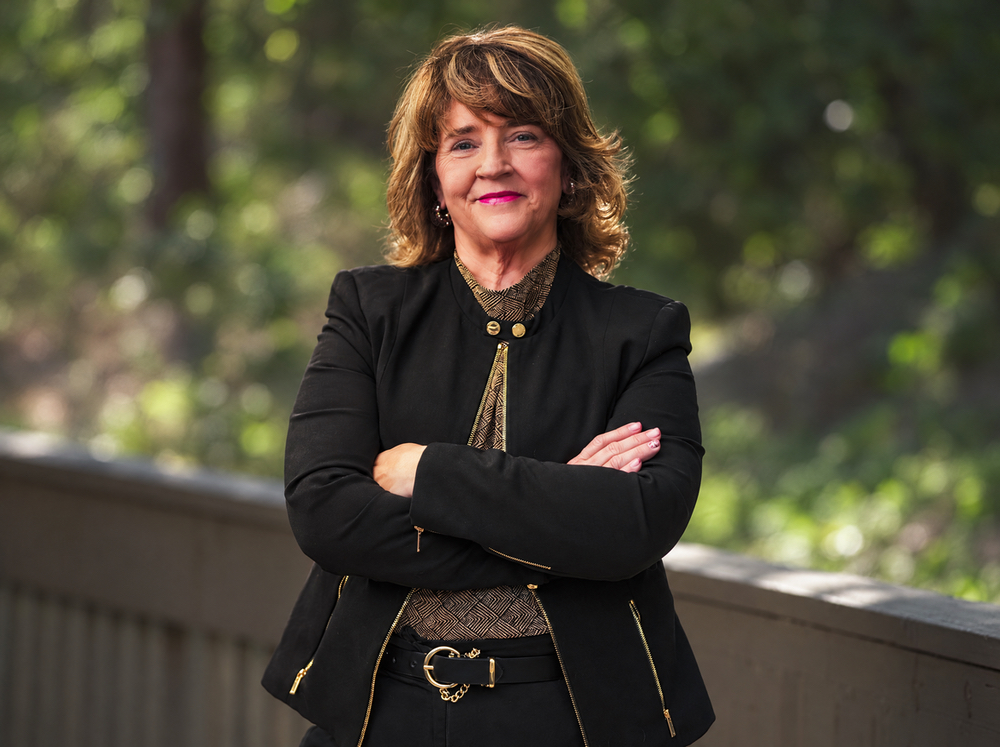
Dr. Kristi Mendoza, Au.D.
Owner & Doctor of Audiology
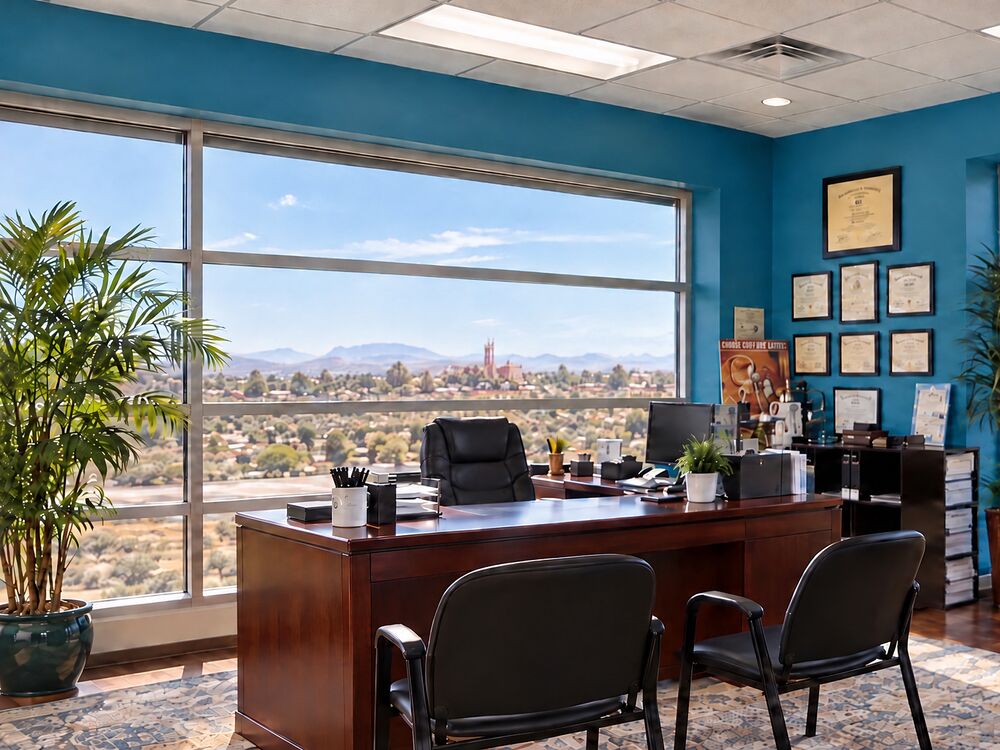
Apple Valley Office
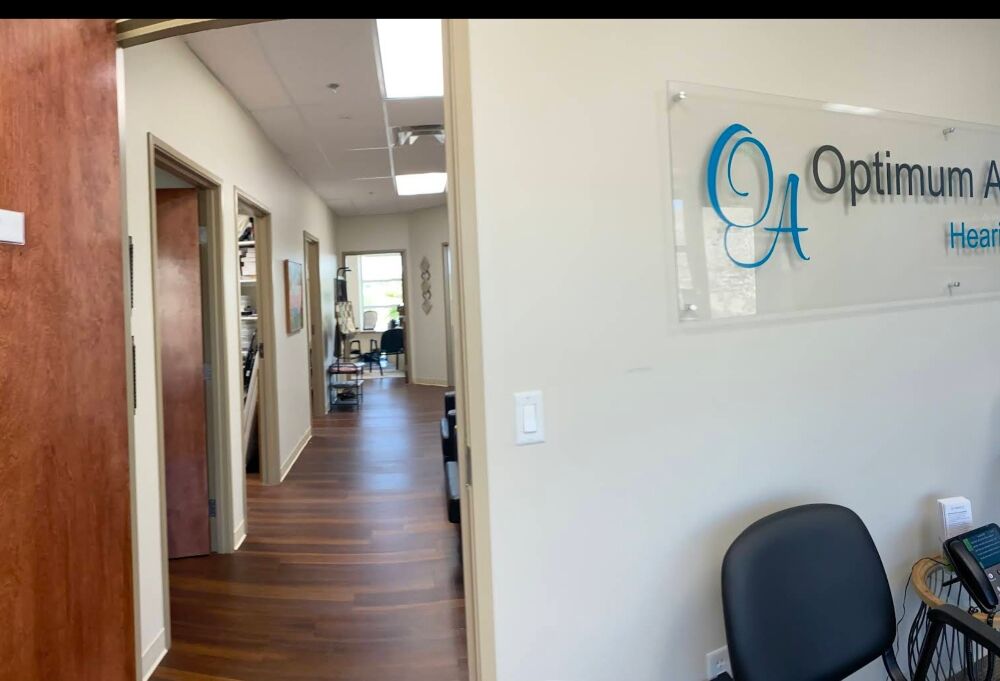
Apple Valley Office
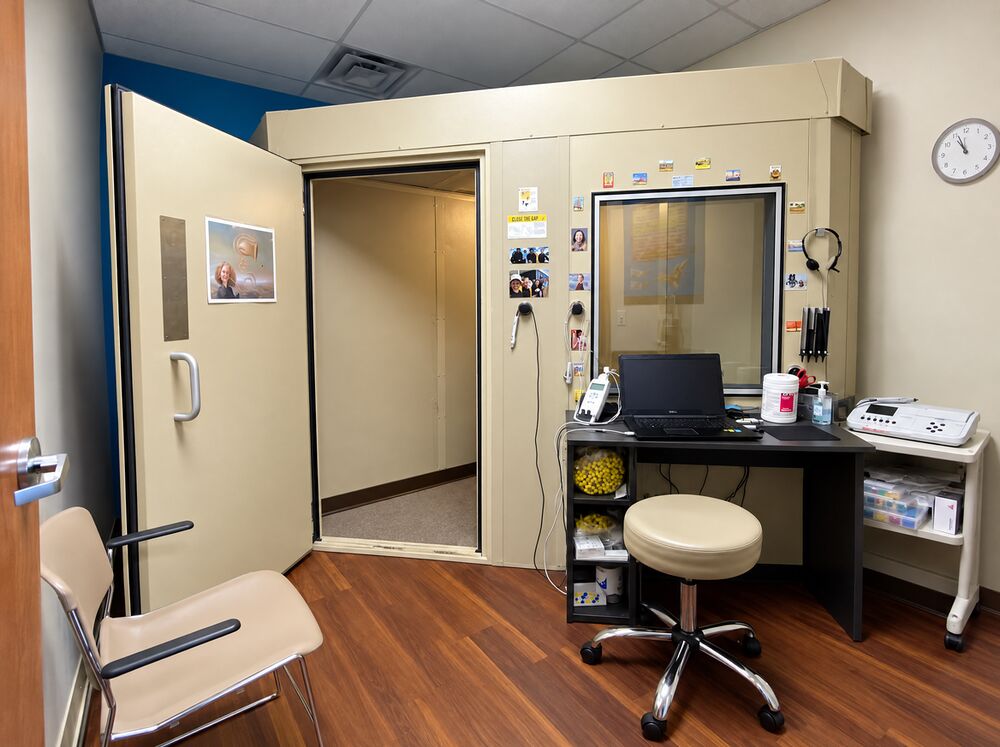
Apple Valley Office
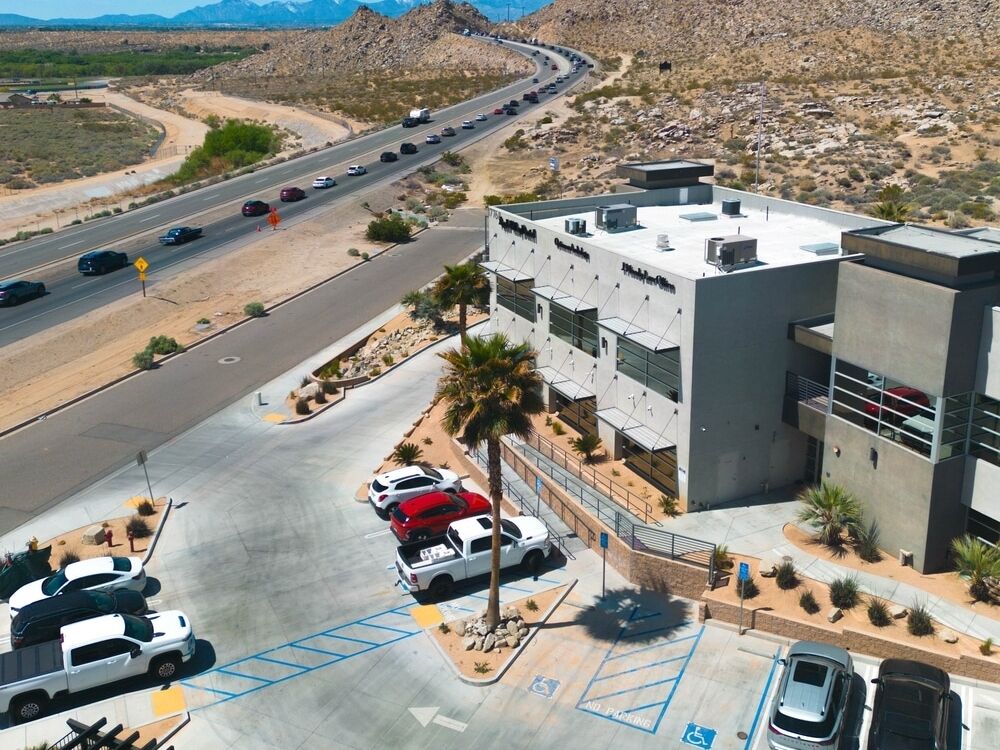
Apple Valley Office
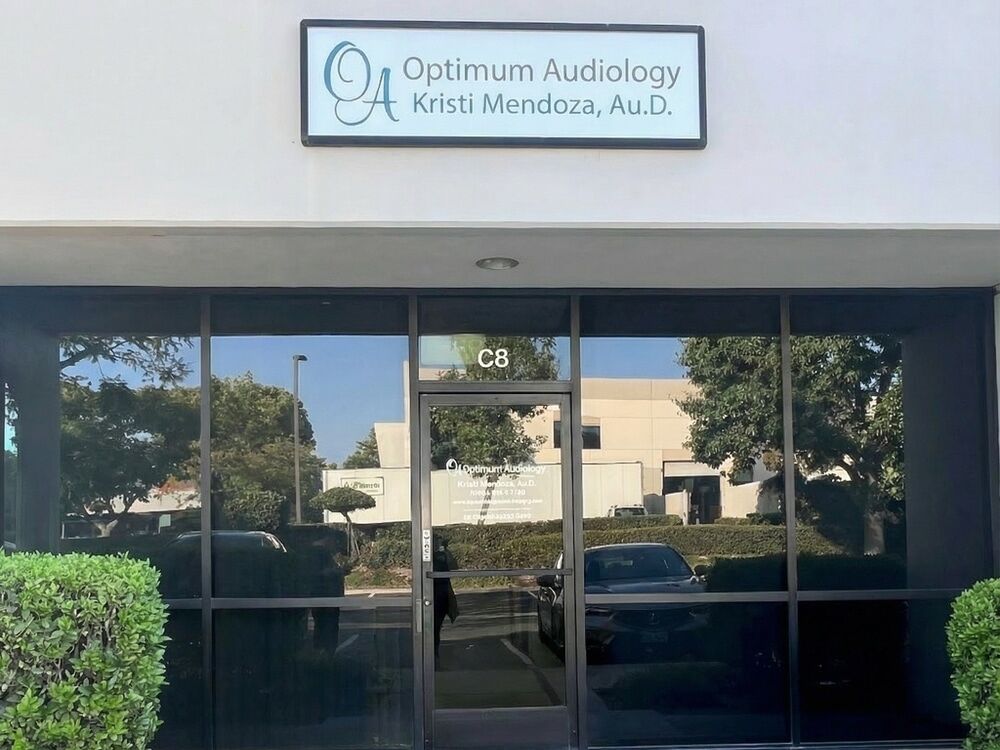
La Verne Office
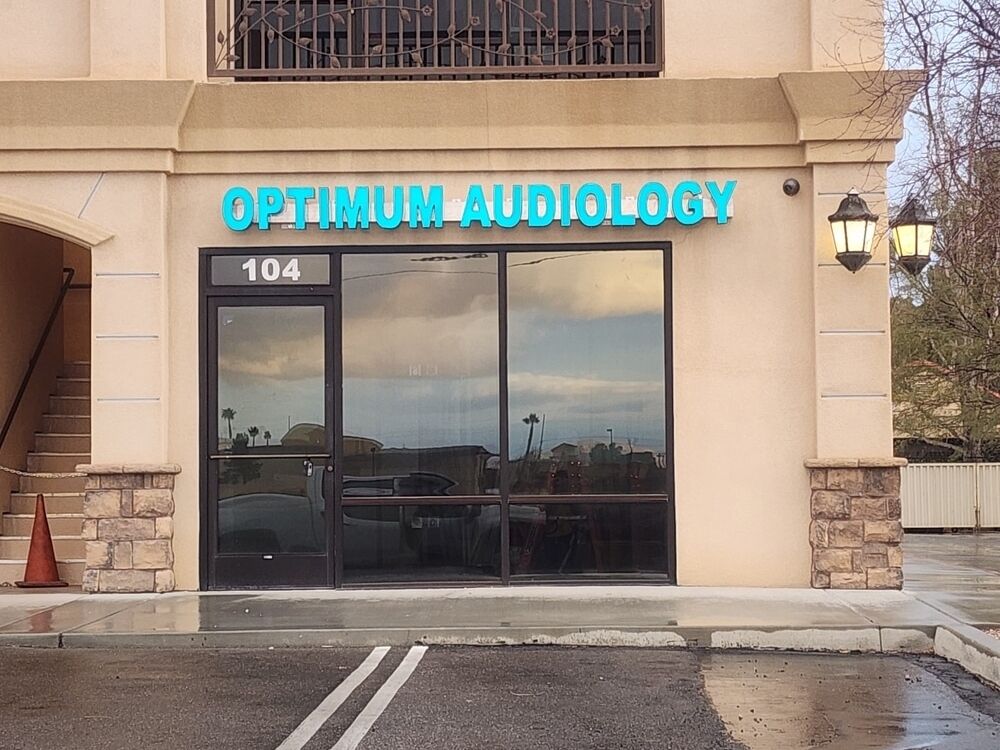
Jess Ranch Office
Answers for Dizziness, Close to Home
Many people with dizziness bounce between appointments without a clear answer. Because inner ear problems are a frequent cause, a vestibular testing workup can help pinpoint where the trouble starts. Dr. Kristi Mendoza, Au.D., and our team share the findings with your physician, ENT, or neurologist so your care fits together. For older adults across the Victor Valley, the same tests can support a fall risk balance assessment, a practical step toward staying steady at home.
Balance Testing FAQs
Common questions about balance testing in Apple Valley, including what VNG, vHIT, and VEMP check, how to prepare, whether it makes you dizzy, and what happens after.
Each test looks at a different part of your balance system. The VNG test uses video goggles to record your eye movements while you follow lights, change positions, and, in some cases, have warm or cool air gently placed in each ear. Because the inner ear and eyes work as a team, those movements tell us how each ear is doing.
The vHIT test measures how well your eyes stay on a target during quick, small head turns, which checks the canals that sense rotation. The VEMP test uses sounds and small sensors on the neck or face to check the parts of the inner ear that sense gravity and up-and-down motion. Together with a hearing test, they give a full picture of your inner ear.
When you book, our team will give you specific instructions. Many patients are asked to pause certain medications for a day or two beforehand, such as some motion sickness pills, sleep aids, and antihistamines, because they can affect the results. Never stop a prescribed medication without checking with your doctor first.
On the day of the test, wear comfortable clothes, skip eye makeup since the goggles track your eyes, and eat a light meal. Some patients feel briefly dizzy afterward, so it's a good idea to bring someone who can drive you home. Bring a list of your medications and notes about when your dizziness happens and how long it lasts. Call or text (760) 503-1700 with questions.
Some parts of the testing can bring on brief dizziness. That's useful, because it shows us how your system reacts. Any spinning or unsteadiness usually settles within a few minutes. You'll be seated or lying down for most of the visit, and you can ask for a break at any time.
We move at your pace and explain each step before it starts. Many patients who feel anxious about vertigo find the worry beforehand is harder than the test itself. If you feel sick, tell us right away and we'll pause. Most people head home feeling about the same as when they arrived, though having a ride is still a smart idea.
We go over the results with you the same day and explain what they suggest about your inner ear and balance system. Some conditions, like benign paroxysmal positional vertigo (BPPV), show a clear pattern on testing. Others need a closer look from a medical specialist.
With your permission, we send a report to your physician, ENT, or neurologist so they can plan treatment, which may include medication, vestibular rehabilitation therapy, or more imaging. If your hearing test also shows hearing loss, we'll talk through that as well. Patients from Hesperia, Apple Valley, and Lucerne Valley appreciate getting answers without a long drive down the hill. To book, call or text (760) 503-1700.
Hearing Aids Tuned to Your Ears, Not a Factory
Hearing aids only help if they're set for your ears, not generic factory settings. That's why every new fitting at Optimum Audiology includes Real Ear Measurement, a quick test with a tiny microphone that confirms the sound reaching your eardrum matches your hearing loss. We check again at every annual visit, see you for follow-ups in the first month, and most purchases include a trial period so you can hear the difference at home.
Patient Reviews
What patients across the High Desert, Visalia, and La Verne say about their care with Dr. Kristi Mendoza, Au.D.
Expert Hearing Care From the High Desert to Visalia
Dr. Kristi Mendoza, Au.D., has helped patients hear better since 1991, and every plan starts with a thorough hearing evaluation.
Serving Southern & Central California
Four Offices, One Number
Dr. Kristi Mendoza, Au.D., and her team see patients in Apple Valley, Jess Ranch, La Verne, and Visalia. Choose the office closest to you on the map.
- Call or text: (760) 503-1700
- info@optimumaudiology.com
- Doctor of Audiology since 1991
- Real Ear Measurement on every fitting
- VA Community Care & OWCP provider
Optimum Audiology is a great place to go to for my hearing aids. Friendly staff and very helpful. They take care of everything from insurance, to keeping your hearing aids properly working. Thanks for doing a great job for me Optimum Audiology.— Anthony A.
Select a location for more information