
Real Ear Measurement
How Real Ear Measurement Verifies Your Hearing Aids
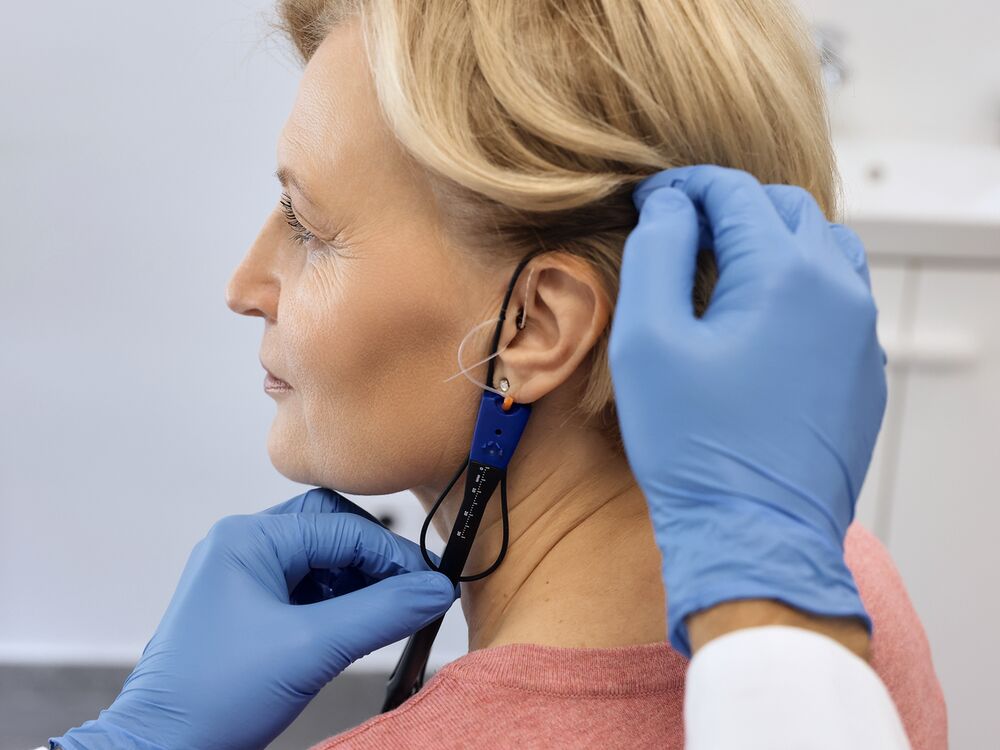
Real ear measurement in Apple Valley, CA shows what your hearing aids are really delivering inside your ear. A soft, thin probe tube sits in your ear canal next to the hearing aid while recorded speech plays. The probe microphone measures how loud each pitch is at your eardrum, and we compare that reading to the target set by your hearing test. Then we adjust the programming until the two lines match.
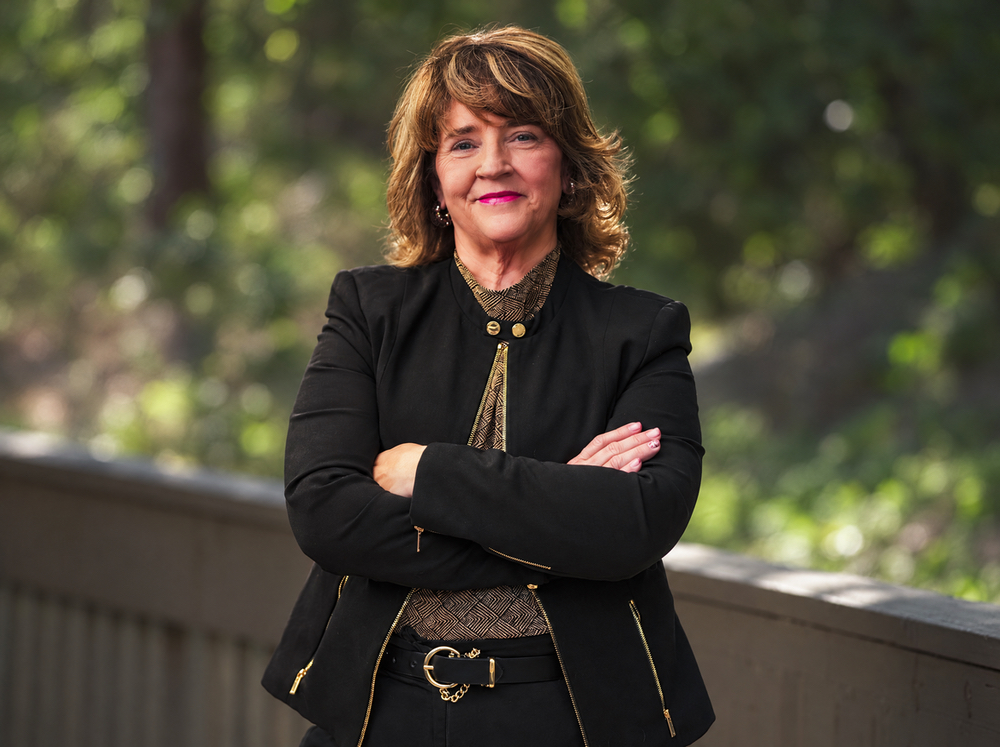
Dr. Kristi Mendoza, Au.D.
Owner & Doctor of Audiology
Trained by a Pioneer, Used at Every Fitting
Plenty of offices leave out hearing aid verification to save time and trust the maker's default settings. Dr. Kristi Mendoza, Au.D., trained in REM with Gustav Mueller, Ph.D., a pioneer of the method, and we use it at every new fitting and every annual check-up, with every major brand we fit. In our experience, it's often the difference between hearing aids that end up in a drawer and hearing aids worn all day.
Real Ear Measurement FAQs
Common questions about Real Ear Measurement in Apple Valley: what REM checks, help for aids bought elsewhere, why default settings fall short, and how often to recheck.
Real Ear Measurement, also called probe microphone measurement or REM, measures the sound your hearing aid produces at your eardrum. A thin tube connected to a tiny microphone rests in your ear canal while the hearing aid plays speech at soft, medium, and loud levels. The screen shows how loud each pitch is when it arrives.
Your hearing test sets a prescription, which is a target amount of help at each pitch. REM shows whether the hearing aid meets that target in your ear, rather than in an average ear inside the software. Where it falls short or overshoots, we adjust on the spot and measure again. Call or text (760) 503-1700 to ask about having your hearing aids verified.
Yes. If your hearing aids never sounded right, or they've spent more time in a drawer than in your ears, a REM check is a good place to start. We work with all major manufacturers, so we can measure most devices bought at another practice and see whether they meet the target for your hearing loss.
If your last hearing test is more than a year old, we'll usually start with a new one so the target is accurate. Often, careful reprogramming makes a clear difference for hearing aids not working right. Some older or locked devices can't be reprogrammed, and we'll tell you up front if that's the case. For cracks, dead sound, or other physical problems, see our hearing aid repairs page.
Fitting software starts from your hearing test and an average adult ear canal. Real ears vary a lot. A larger canal, a smaller one, or a different shape changes how sound builds up near the eardrum, so the default can land well above or below what you need.
The pitches most often missed are the high ones, where sounds like s, f, and th live. Those consonants are how you tell words like "fifty" and "sixty" apart, so missing them makes voices seem loud but unclear. Measuring in your own ear lets us close those gaps, and many patients notice that conversations with grandchildren or at church are easier to follow.
We run REM at every new fitting and again at every annual check-up. Hearing often changes a little from year to year, and earwax, tubing, domes, and normal wear can all shift what reaches your eardrum. A yearly measurement catches those changes before they start costing you conversations.
Come in sooner if speech suddenly seems muffled or tinny, or if a new hearing test shows a change. Patients who live farther out in the High Desert or the Central Valley can often handle small tweaks through remote programming, then save the in-office REM check for the yearly visit. You can read about the full process on our hearing aid fitting page.
Hearing Aids Tuned to Your Ears, Not a Factory
Hearing aids only help if they're set for your ears, not generic factory settings. That's why every new fitting at Optimum Audiology includes Real Ear Measurement, a quick test with a tiny microphone that confirms the sound reaching your eardrum matches your hearing loss. We check again at every annual visit, see you for follow-ups in the first month, and most purchases include a trial period so you can hear the difference at home.
Patient Reviews
What patients across the High Desert, Visalia, and La Verne say about their care with Dr. Kristi Mendoza, Au.D.
Expert Hearing Care From the High Desert to Visalia
Dr. Kristi Mendoza, Au.D., has helped patients hear better since 1991, and every plan starts with a thorough hearing evaluation.
Serving Southern & Central California
Four Offices, One Number
Dr. Kristi Mendoza, Au.D., and her team see patients in Apple Valley, Jess Ranch, La Verne, and Visalia. Choose the office closest to you on the map.
- Call or text: (760) 503-1700
- info@optimumaudiology.com
- Doctor of Audiology since 1991
- Real Ear Measurement on every fitting
- VA Community Care & OWCP provider
Optimum Audiology is a great place to go to for my hearing aids. Friendly staff and very helpful. They take care of everything from insurance, to keeping your hearing aids properly working. Thanks for doing a great job for me Optimum Audiology.— Anthony A.
Select a location for more information